

Attract More Pollinators By Planting A Butterfly-Like Flowering Vine
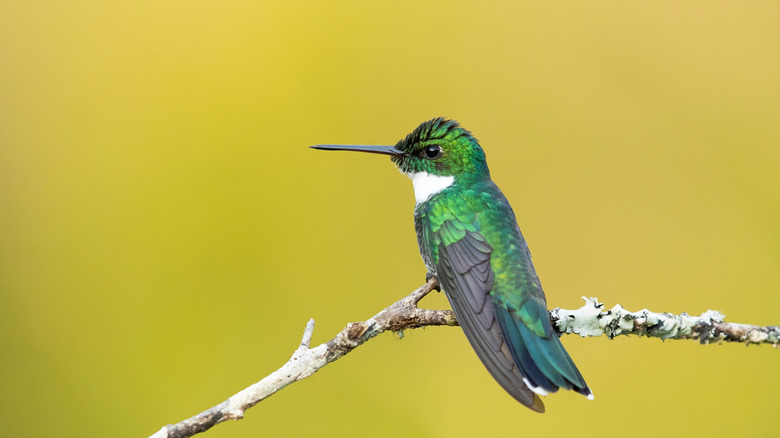
Hummingbirds, bees, butterflies — these are just some of the pollinators that fill your yard with color. Whether you're watching a hummingbird dart among flowers in a flashy display of colors or listening to the bees as they crawl across petals, pollinators bring your garden to life. And they're not just beautiful, pollinators are vital to your garden. As a result, you may find yourself seeking tips to attract bees and other pollinators to your backyard, and this yellow flowering vine is a great place to start.
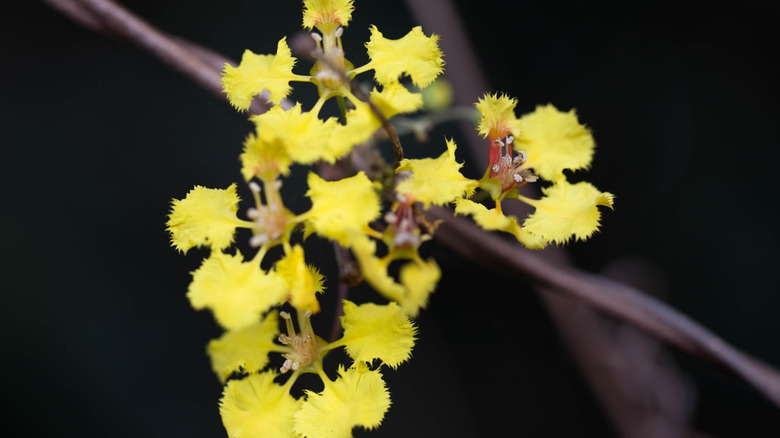
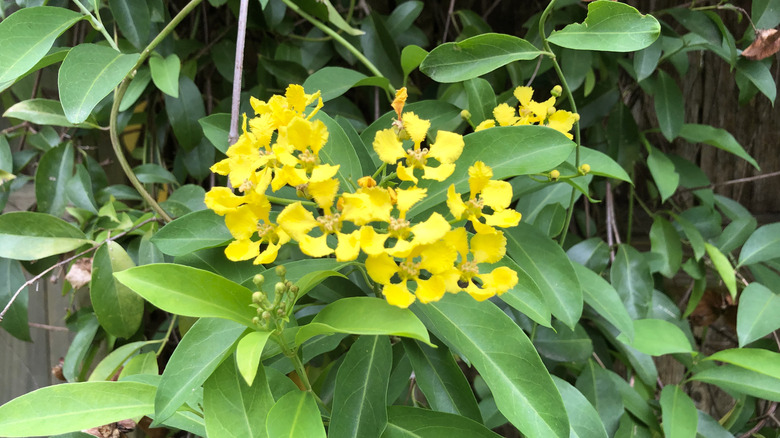
The yellow butterfly vine (Callaeum macropterum), also known as the yellow orchid vine, is a show-stopping vine that sports delicate yellow flowers. At first glance, it may seem like the name comes from its uniquely shaped flowers. However, it actually originates from the green seedpods this plant produces, which resemble butterflies.
With eye-catching lemon-yellow flowers and an abundance of pollen and nectar, yellow butterfly vines are a great way to add a splash of color to your yard while also inviting pollinators to your garden. Here's how you can start growing them today.
How to grow yellow butterfly vines
The first step to growing yellow butterfly vines in your yard is making sure that they can actually grow there. This involves determining which USDA hardiness zone you live in, which the flower needs and its soil needs. Native to Mexico, yellow butterfly vines grow best in zones 8b through 10, specifically in soil that is well-draining. While it's best to avoid clay soil when planting these vines, they are tolerant to a varied soil pH, from mildly acidic to slightly alkaline.
Once you're squared away with the base needs of the yellow butterfly vine, you can start the process of growing them in your own garden. Because they're used to the dry, hotter regions of North America, yellow butterfly vines are drought tolerant. This makes it a great fuss-free plant for beginners and advanced gardeners alike. You'll find that they prefer full sun, but they can also tolerate being planted in partial shade.
One of the main things to be aware of is the sheer size of these vines. They can grow up to 30 feet long, and whether they trail or not depends on the support you offer them. As a result, you want to make sure you have the space in your garden to accommodate these beautiful vines in order to make the most of their pollinator-friendly blooms.
Keep this in mind before adding these flowering vines
Before adding any sort of plant to your yard, it's important to learn two key details: if the plant is invasive, and if the plant is toxic. The latter is especially important if you plan on adding a plant anywhere children or pets can access.
The yellow butterfly vine is aggressive, with rapid growth. While some sources may not consider it to be invasive, it's important to keep the plant's natural traits in mind. Different plants may respond to various locations in different ways, and even native plants may overwhelm other plants in your yard. For the most up-to-date information about how a plant grows in your area, you can reach out to local experts either online or in-person for more information. However, it also pays off to be knowledgeable about the general growing habits of a specific plant.
As for toxicity, there are certain plants you may not know are toxic to touch or consume. In some cases, only a certain part of the plant may be toxic, while other plants may be entirely toxic. While information does vary on this plant, many sources do note the yellow butterfly vine's toxicity. Some report that the entire plant is toxic, and is toxic to pets, while other nurseries and resources say it is not toxic to humans or pets. As a result, it's better to be safe rather than sorry and treat this charming vine as a toxic plant when considering where and how to plant it.