

What Is Reef Safe Sunscreen And Why You Should Use It
We may receive a commission on purchases made from links.
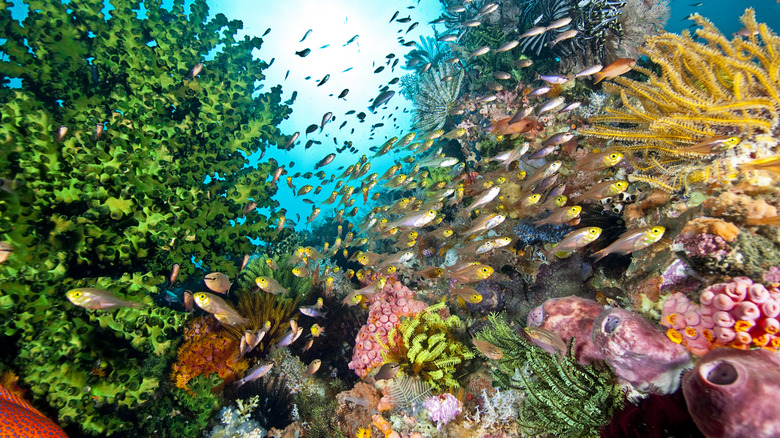
Swimming, snorkeling, and diving are all popular activities in coastal waters. Ironically, those who enter the water may be inadvertently harming or even killing some of the very marine life they are hoping to see. This is because many popular brands of sunscreen and makeup contain chemicals which cause severe damage to reefs and other features of the marine ecosystem. The problem has become so severe that some areas, such as the state of Hawaii, have banned these products. However, there are a growing number of reef safe alternatives, as well as a variety of UV swimwear and other products that offer sun protection without harming the environment.
It has been well-documented that repeated and/or prolonged exposure to the sun and UV rays can lead to a number of negative consequences, including cataracts and a host of skin issues, the most dangerous of which is skin cancer. So, the need for beachgoers to protect themselves from the sun's harmful rays is very real. You should indeed continue to apply and reapply sunscreen often while spending a day at the beach. However, given that there is a long list of potentially harmful chemicals utilized in many popular brands, it is important to find one that both provides the necessary protection for your skin and is safe for the marine environment.
How some sunscreens can harm marine ecosystems
In order to be effective, sunscreens and sunblocks have to utilize chemicals which prevent harmful UV rays from damaging your skin. The list of chemicals which cause various negative impacts is long and includes Oxybenzone, Benzophenone-1, Benzophenone-8, OD-PABA, 4-Methylbenzylidene camphor, 3-Benzylidene camphor, nano-Titanium dioxide, nano-Zinc oxide, Octinoxate, and Octocrylene. While these chemicals have been shown to cause extensive damage to the marine environment, they are also cheap and very effective as skin protection, so many companies continue to use them.
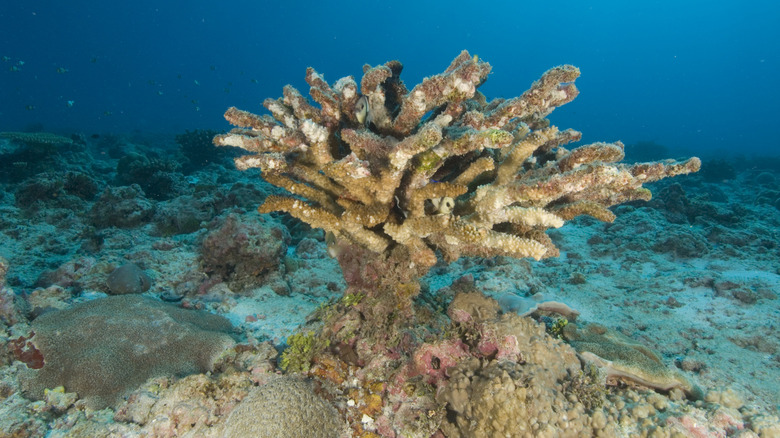
The issue with these chemicals is many. Some of them promote green algae growth, which inhibits a reef's ability to photosynthesize and sustain itself. Others tend to build up in the tissue of various marine life, including coral, sea urchins, fish, shellfish, and dolphins. When this happens, birth defects, deformities, and other reproductive issues can occur. Additionally, in many areas, the effect on coral reefs is even more devastating, as coral bleaching can occur, which results in large areas of reef dying away.
You may be wondering how any sunscreen product that is applied to your skin, whether it contains harmful chemicals or not, can harm marine animals if you don't touch them. When you enter the water, even sunblock that has been absorbed into your skin can leach out into the ocean water. Even if you don't enter the water, sunscreen residue can be washed into the sea and, believe it or not, a large influx of chemicals enter the ocean through wastewater. So, even if you stay on dry land, that sunscreen you applied will end up in the ocean once you wash it off at home. That, too, may seem insignificant, until you consider experts believe over 14,000 tons of sunscreen ends up in the world's oceans annually.
Ways to ensure you are using reef safe sun protection

While there are lots of things to know before going open water swimming, snorkeling or diving, one of the most important is how to ensure you are not harming the environment when you get in the water. The first step to ensuring you are using reef safe sun protection is to pay particular attention to the ingredients. While this may seem simple enough, it is important to know that seeing terms such as reef friendly and reef safe are no guarantee they actually are. That is because those terms are not regulated and manufacturers are under no obligation to meet any sort of standard before labeling their products as such.
The biggest dangers tend to be products that contain oxybenzone and octinoxate, which are the chemicals most responsible for coral bleaching. Buying sunscreens with either of those products is a big no-no, particularly if you are going swimming in Hawaiian waters, where the use of those chemicals is banned. Non-nano zinc oxide, not to be confused with nano-zinc oxide, is usually considered a good choice for reef safe sunscreen. Titanium dioxide is also generally thought to be safe.
Beyond choosing a sunscreen like Coral Safe Reef Safe Sunscreen, which meets the criteria to be Hawaii compliant, you can also cover up with UV protective clothing. There is an increasing variety of UV protective rash guards and swimwear on the market today. Every bit of skin that is covered by such garments results not only in sun protection for you, but also less sunscreen that needs to be applied, thus less potential harm for the environment.