

What To Know About The Land Snorkeling Trend Before Trying It Yourself
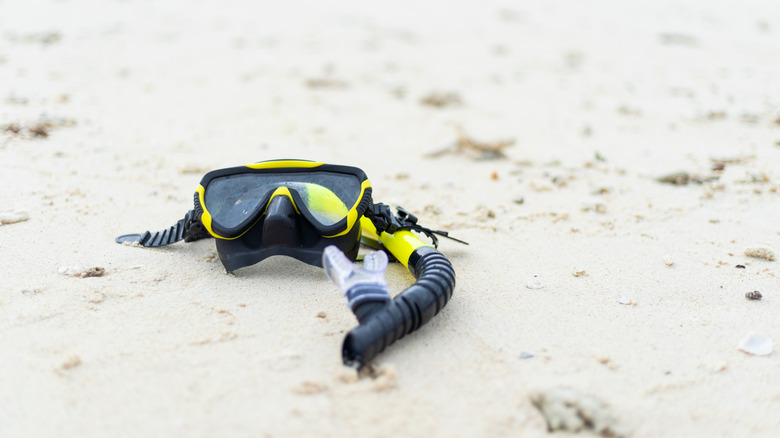
If you've ever snorkeled in the crystalline waters off of a tropical island or submerged into a cool freshwater lake with a mask and air tube, you know the thrill of seeing the many colors of fish and plants that make up our underwater environments. However, the unique feeling of peace and wonder you can achieve by truly immersing yourself in a foreign ecosystem isn't relegated to water. A trend called "land snorkeling" extends this concept into our above-ground environments, allowing you to gain new perspectives on nature.
Land snorkeling is a hiking term you need to know before your next adventure. First coined by Montana artists Clyde Aspevig and Carol Guzman, this funky phrase is gaining ground in travel blogs and articles, where regular outdoor experiences just aren't cutting it for those wanting to connect with nature on a deeper level. As Aspevig says on Landsnorkel.com, "Land snorkeling is taking the time to savor aspects of nature we ordinarily don't see or pay attention to."
Land snorkeling is an intentional experience. It isn't about the destination — that waterfall or overlook at the end of your 3-mile trip. It's about taking time to notice the little nuances of nature you see along the way. Wondering how that weirdly-shaped branch grew that way, closing your eyes to hear the sound of a tree frog in the distance, marveling at the way the pebbles seem to undulate under the flowing waters of a tiny stream. Giving yourself time to snorkel aboveground is more important than the distance you will be travelling or miles you accomplish. So, leave your snorkel mask and hiking itinerary behind and dive into that forest, prairie, or desert with new purpose.
Choosing your land snorkel experience
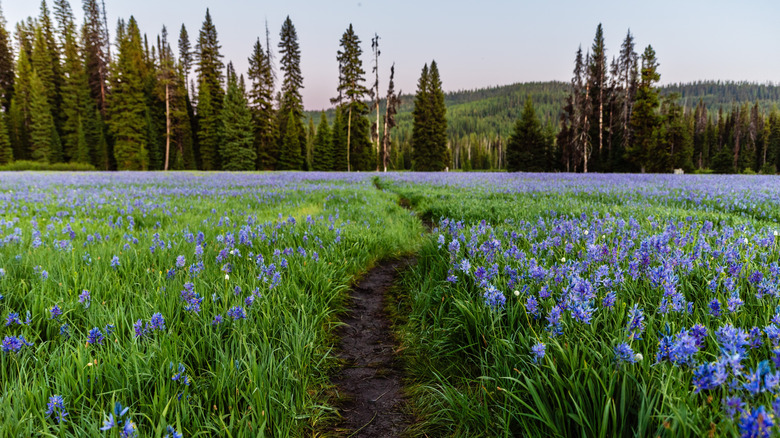
Visiting a National Park on a busy summer Saturday probably isn't the best place to try land snorkeling for your first time. You'll need a quieter experience to be attentive to the smaller sights, sounds, and smells that nature is offering. Pick a more secluded trail or natural area, which you can find by joining a local hiking Facebook group or simply looking up the least visited trails in your area. Many cities and counties have open space or parks departments that can also give you tips on where to go to escape the crowds and which areas are hiker-only so you don't get distracted by mountain bikers, ATVs, or horseback riders. Even urban areas have surprising oases of nature that can offer a contemplative nature experience, like Seattle's vast Discovery Park or the diverse Cherry Creek State Park in Denver. Consider visiting a local wildlife refuge that may not have the huge visitation numbers of state and national parks.
Getting mentally lost in nature is one of the great reasons to land snorkel, but to avoid getting physically lost when hiking off trail, be sure to pack along a GPS unit and compass (and know how to use them). Wherever you go, consider heading out early in the morning when wildlife is more active and most people are still in bed. This will give you more space to feel the peeling bark on that white birch, gently turn over a rotting log to see what amphibians or other critters may be hiding underneath, or lie down in a grassy meadow to gaze up at the clouds and contemplate your place on the land.