

How To Choose A Birdbath Size And Style To Suit Local Wildlife
We may receive a commission on purchases made from links.
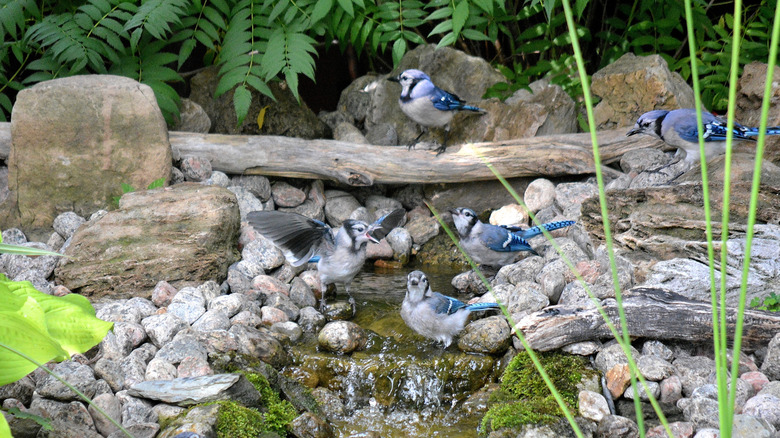
Water is the source of life, and adding a water feature to your back yard is a surefire way to bring in more of the wild critters you love observing. Even if you don't have the ability to dig a wildlife pond or plant a rain garden, adding a simple birdbath will not only attract more songbirds to your yard, but will increase the overall biodiversity of your garden.The type and style of birdbath you choose depends on what wildlife lives in your area, and who you want hanging out at your local waterhole. Before buying or building your bath, consider whether you want a pedestal or ground bath, what materials and features will work best for your wildlife neighbors, and how easy it will be to clean and maintain.
You can start your project with an inventory of what wildlife lives nearby. Online community observation databases like iNaturalist, local Facebook wildlife watching and birding groups, and state wildlife agencies have a lot of information to share about what critters live in your hood. You can identify local birds yourself using an app like Cornell Lab's Merlin ID. Many counties and cities even run backyard wildlife habitat programs with staff who can tell you not only who lives there, but all the ways you can enhance your yard to attract specific species. Once you know who you'd like to see stopping by, you can choose a birdbath with features designed for them.
Choose birdbaths that work for your wild neighbors
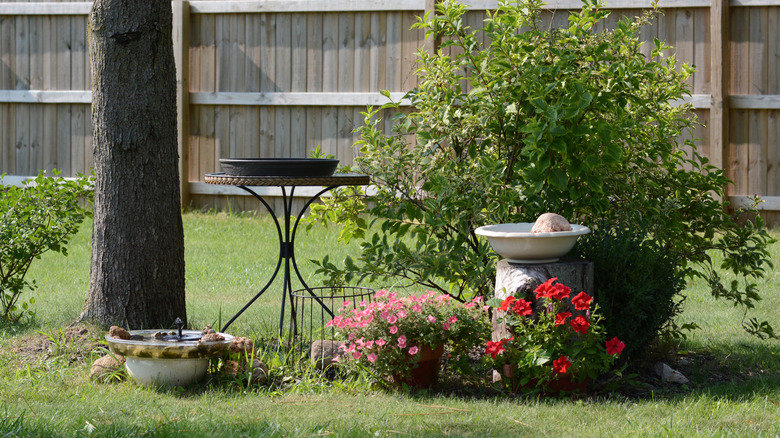
Wide, shallow, pedestal-type birdbaths will be attractive to those chickadees, tits and finches that love your hanging bird feeders. Deer will also take a sip from a pedestal bath, and squirrels, opossums, and raccoons have little trouble climbing up to use it. If frogs, salamanders, or turtles are your target, place a shallow container on the ground in a shady spot. Ground baths will also be attractive to foraging birds like quail and doves, larger birds like jays and woodpeckers, as well as a variety of small mammals. There are plenty of lovely ground-type birdbaths on the market like the Aristotle Oasis birdbath and drinker, but an upcycled metal baking sheet or garbage can lid work just as well.
In any type of birdbath, you'll want to keep your smaller visitors from drowning. Make sure you include rocks to perch or climb on, and ensure your design isn't too steeply-sided nor deeper than a couple of inches. Surfaces matter, so while that brightly colored ceramic bowl might look good in your garden, its smooth glaze will be too slippery for birds to get a foothold. Concrete and terra cotta have rough surfaces that provide birds and other small animals better traction. In the winter, concrete can crack with freeze and thaw, so you'll want to consider adding a small specialty heater like this birdbath heater from ikuchelife that auto-adjusts to temperature for year-round use. Birds like water that is moving so you can also accessorize with small fountain, bubbler or mister attachment.
Having no birdbath is better than having a dirty one

Whatever style of birdbath you choose, make sure you can access it easily for frequent cleaning. Along with daily water changes to banish pesky mosquitos, it is critical to do a deeper scrub of your water source at least weekly. A build-up of algae and animal droppings are vectors for disease like avian pox, salmonellosis, and bird flu, which are not only threats to birds but can affect raccoons and other mammals. When scrubbing out your bath, be sure to avoid toxic cleaning staples like bleach or dish soap, and instead use a simple water-and-vinegar mix, adding a little baking soda as necessary to get tough grime. Placing the birdbath in a location convenient for cleaning will help ensure that you do this important chore, creating a water source that is a safe attractant for your wildlife friends.