

Easily Repel Pests From Your Garden With The Help Of An Aromatic Flower
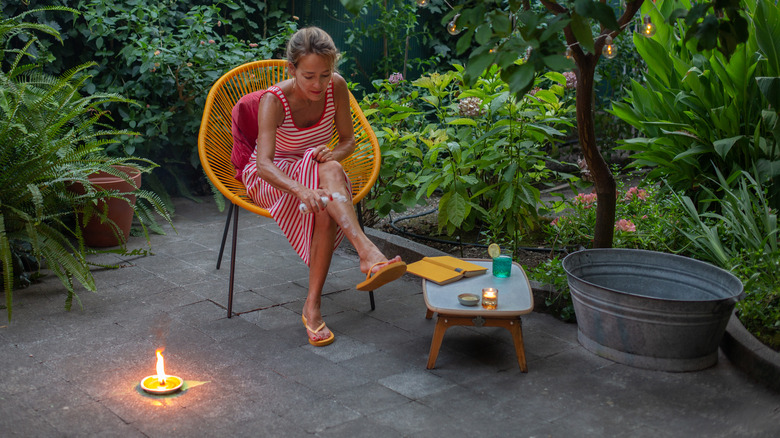
Gardening offers people the chance to get and stay healthy while doing something they love. There are many reasons gardening is good for your health, so it is not surprising that homeowners put a lot of time and effort into making their garden space a relaxing area to spend time with family and friends. Nothing can ruin all that hard work and enjoyment faster than an invasion of insects and pests. While there's a variety of plants that will naturally repel these invaders from your lovely outdoor spaces, pennyroyal (Mentha pulegium) is one of the best options. Other names for pennyroyal include pudding grass and mosquito plant.
This versatile, fast-growing plant has a strong mint fragrance that deters a variety of insects like mosquitoes, ants, fleas, flies, and even larger pests like mice and rats. You won't have to worry about rabbits or deer eating your pennyroyal plants, as they don't like it. Pennyroyal is toxic to dogs, cats, and horses, so it is best to keep your pets away from it and make sure your pastures don't have it growing wild. You can use it as an insect repellent by crushing the leaves and making a product to spray onto the skin. You could also dry the leaves and place them in bags around your patio to deter insects. However, pennyroyal should never be ingested, as it's toxic and can cause many problems from nausea to dizziness. Discover how and where to plant your pennyroyal for best insect-repelling results.
How and where to plant pennyroyal
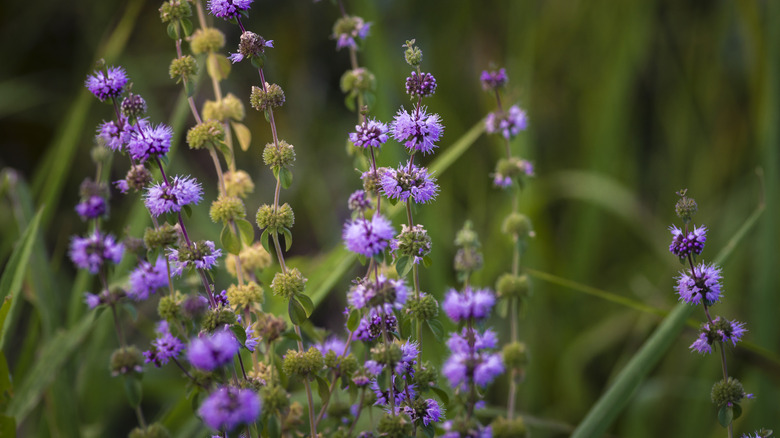
Pennyroyal doesn't require much effort to grow and keep healthy to reap its insect-repelling benefits. It does best in full sun to partial shade and requires regular watering to keep the soil moist. Pennyroyal can quickly take over areas of your garden due to its creeping nature, so keep it in check by trimming it as it spreads outside of the desired area. Trim pennyroyal at least once a week during the spring and summer months when it rains more and temperatures are warmer.
It's not necessary to use chemical fertilizer on your pennyroyal, as it does much better with organic fertilizers such as compost and manure. If you use too much fertilizer, you may get fewer flowers from your pennyroyal plants. Many gardeners choose to plant pennyroyal around the outside of the garden and not in it due to its invasive nature so it doesn't overtake the vegetable plants. You can keep it in pots in various places in the garden so your vegetables reap the benefits without having to worry about being overrun. This is especially important in wetlands.
Two plants that will help keep the mosquitoes away from you patio and garden along with pennyroyal are lavender and basil. All three of these plants do well planted together and have similar care needs. They are a great addition to any garden to help reduce your pest problem.