

Fill Your Garden With Hummingbirds And Pollinators By Planting This Red Flower
We may receive a commission on purchases made from links.
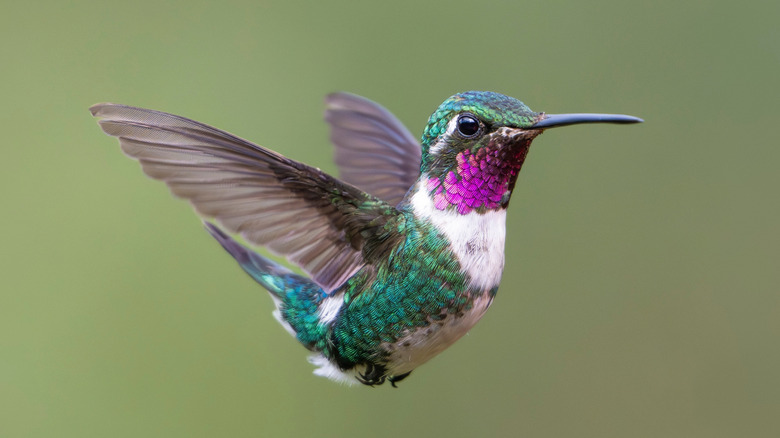
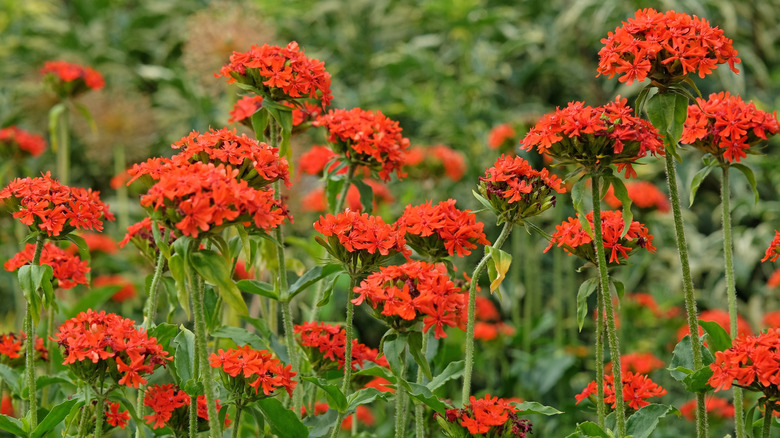
Hummingbirds are among the birds gardeners are glad to see in their gardens. They benefit gardens by pollinating plants and feeding on mosquitoes. Gardeners can plant more flowers and add red to their gardens to attract hummingbirds. These same steps will bring bees buzzing to your garden, as well as butterflies and other helpful pollinators. Maltese cross (Silene chalcedonica) is a plant that allows gardeners to do both: You can easily fill your garden with hummingbirds and other pollinators by planting this bright red flower.
Maltese cross, which is known for its reddish-orange flowers, grows well in USDA hardiness zones 3 through 9. Mature plants attract hummingbirds, butterflies, and bees not just because of the color, but also because it provides nourishing nectar. Because it grows 3 to 4 feet tall, it is also an ideal height for hummingbirds looking for a meal. Additionally, since it typically blooms in summer, it provides nourishment for pollinators just as spring flowers have begun falling away.
Planting and growing Maltese cross
Maltese cross can be easily grown from seeds, such as the Seeds Needs Maltese cross wildflower seeds. There are a few ways to go about it, much of which depends on the geographic region in which you live. They can be sown directly in the soil either after the first frost of fall or a couple months before the final frost for those living in northern areas. In warmer climates, a period of cold stratification can help prep the seeds for spring sowing. Regardless of when they are sown outdoors, they should be planted in a spot that receives full sunlight. Additionally, when sowing the seeds, do not place them more than ⅛ inch below the surface, as the seeds need light so they can germinate.
Once the seeds have been sown and throughout the early stages of the seedlings growth, it is important the area remain weed-free. After the plant matures, Maltese cross requires very little care other than the occasional watering. They are drought-resistant and actually prefer a drier soil, so be sure the area is well draining and you do not overwater. The plants can be deadheaded, but Maltese cross will continue to reseed the area if you leave the dead flowers on the plant.