

Pests Will Be A Thing Of The Past After Planting This Daisy-Like Flower
We may receive a commission on purchases made from links.
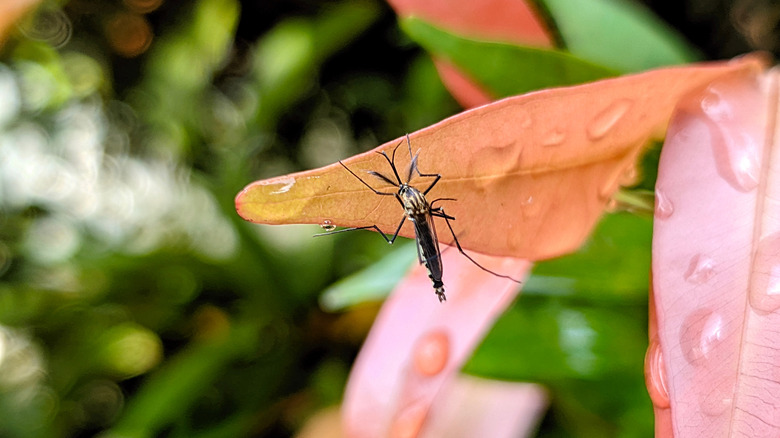
Anyone who spends time outdoors knows insect encounters are almost inevitable. While some insects benefit gardens, a great many more are pesky pests that can ruin backyard outings. One way to keep your outdoor living space pest-free is by growing plants that repel pests naturally. Pyrethrum is one such plant that can kill mosquitoes, flies, and a number of other pesky insects.
Pyrethrum, also known as pyrethrum daisy, grows up to 2 feet tall and typically blooms throughout much of the summer. Pyrethrum began being used to repel insects over 200 years ago in Asia. Since that time, scientists have discovered the substance contained within pyrethrum called pyrethrin, which is lethal to certain bugs. While both natural and synthetic pyrethrin is used to make a number of commercially available insecticides and insect repellents, the plants themselves can help keep pests away.
Planting pyrethrum in your yard and garden can help repel pests, as they are keen to pick up the scent of the blooms and steer clear. However, in order to actually kill mosquitoes and other pesky insects, bugs have to come into contact with it. At that point, pyrethrum wreaks havoc on the insects' nervous system, effectively rendering it paralyzed. Given that insects will keep away from the flowers if they pick up the scent, using pyrethrum as an insecticide typically involves utilizing a spray that contains the natural oil extract from the flowers or a powder derived from dried and crushed flowers. However, liberally using pyrethrum daisies as a companion plant throughout your yard and garden can be deterrent enough to negate the need for insecticidal spray.
Where and how to grow pyrethrum
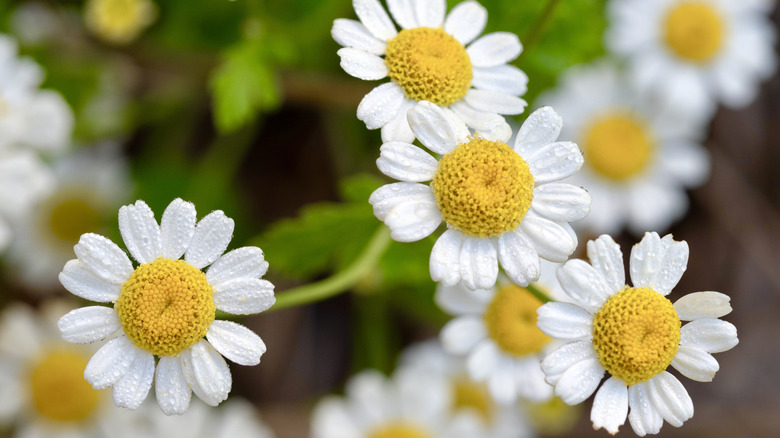
Pyrethrum thrives in USDA hardiness zones 4 through 10, meaning it can be grown in almost all of the continental United States. These perennials prefer either full or partial sun but are low maintenance and can be sown in almost any type of soil, so long as it's well-drained. Seeds should be directly sown in the soil in the spring, about a month before the final frost date. Pyrethrum requires very little maintenance. It prefers dry soil, so it's important to not overwater. Deadheading after the initial bloom can result in a second bloom later. Additionally, while it typically grows long and stalky, the plants will grow more bulky and bushy if they are clipped or pinched once they reach about a half foot tall.
If planting primarily for pest control, pyrethrum should be grown close to areas such as walkways, patios, decks, and other places you are likely to spend time outside. Pyrethrum daisies are generally considered to be good companion plants in gardens and flower beds. Additionally, pyrethrum also grows well in containers such as the Dahey Hanging Flower Pots, allowing them to be moved around the yard and hung on deck railings and fences to help keep pesky insects away. As an added bonus for pet owners, pyrethrum is known to repel ticks and fleas, helping to keep both your pets and backyard safe.