

How To DIY A Hurricane Preparedness Kit
We may receive a commission on purchases made from links.
Hurricane season, which runs June through November each year, is the most dangerous time for residents of coastal regions in the United States. Throughout hurricane season, those living in these areas should have a fully stocked hurricane emergency preparedness kit at all times. This has proven to be one of the best ways to be prepared for a hurricane. While commercially produced versions of these kits are readily available, it is simple enough to DIY one. Making your own allows you to not only ensure you have all the essential emergency supplies, but also to customize the kit to fit your individual needs.
One of the first considerations when it comes to making a DIY hurricane preparedness kit is to choose containers for storing supplies, as well as picking an easily accessible spot to keep it in when it's not needed. Once you pick a spot in the house to store your kit, do not move it. This storage spot should be known to all people living in the household and they should be able to access the area even in the event of flooding or power failure.
Backpacks and plastic containers are among the most popular choices for storing hurricane supplies. Keep in mind that water from heavy rain, storm surge, and/or flooding are often associated with hurricanes, so it is important to keep your supplies dry. Plastic boxes do this admirably and are a good choice for bulky items. If you are using a duffle back or back pack that is not waterproof, be sure to store your supplies in waterproof bags and boxes before placing them in the larger kit bag.
The basics that should be in every hurricane kit
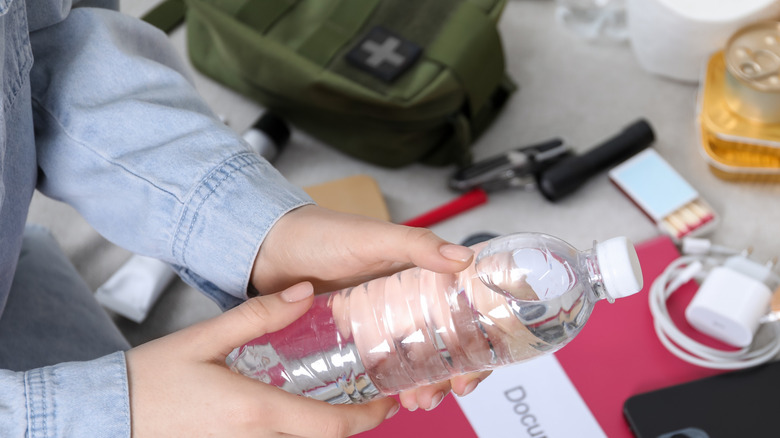
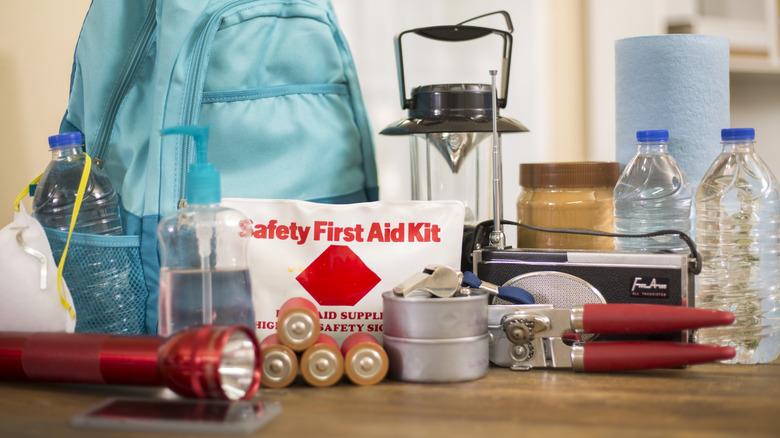
Just as there are 10 emergency essentials for hikers, there is a list of items that should be included in every hurricane preparedness kit. At the very top of that list is three days' worth of food and water. This equates to a gallon of water per day for everyone in the household, as well as an adequate amount of canned and other non-perishable food. It is also a good idea to include a small, manual can opener, even if you have pull-tab cans as tabs can break off denying access to the food inside. If you have pets, make sure you have enough food and water for them as well.
Next on the essential supplies list is a dependable flashlight, such as the Gorilla Grip water-resistant LED tactical flashlight, and a well-stocked first aid kit. You should also have a weather-band radio (battery-powered or hand-crank models are best). Some versions, like the Raynic emergency weather radio incorporate a light, emergency signal device, and phone charger — all powered by the crank. Even if you have a crank model, it's a good idea to keep extra batteries for flashlights and radios. Also include a battery backup for you cell phone and keep it charged. A whistle or other signaling device is handy as well.
Additional supplies that aren't essential for survival, but are considered among the basics for a kit, include disposable goods such as toilet paper, paper towels, plates, cups, and plastic utensils. It may seem wasteful, but keep in mind you won't be able to adequately clean reusable products. Trash bags, sanitary wipes, hand sanitizer, and waterproof lighters or matches should be added as well.
Customize the kit to meet your needs
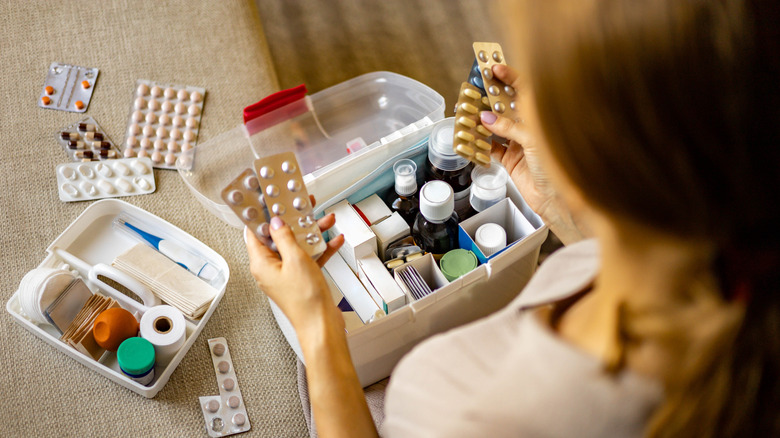
While every kit needs to have the essential emergency items, in many instances those items along may not be enough to meet your personal needs. The most critical personal items to include is a week's worth of any and all prescription medication, as well as a spare pair of prescription glasses or contacts and feminine hygiene products as needed. If you have infants in your household, make sure and include bottles, formula, pumping supplies, and other infant care products or medicines. Playing cards, travel-size board games, books, crayons, and other distractions can be tossed in to help children (and adults) stay occupied.
Some hurricane-experienced residents also keep a small stash of cash in their kits, as ATMs and credit card readers often don't function when the power is out. Cashier's checks can also be utilized for this purpose. Important personal documents — especially insurance papers and passports (or at least copies) — should be sealed in a plastic bag and kept in the kit as well.
A small tool kit that includes a wrench and pliers can be handy for turning off water, gas, and other utilities. Although you may have these items in the garage or elsewhere, keeping a basic set in your hurricane prep kit ensures they are readily accessible. A satellite communication device, like the Garmin inReach Mini 2, can be helpful if you need to call for help with no cell service. To that end, a paper map of your town or city can help prevent you from getting disoriented should you have to leave your shelter. And remember to remove and replace expired items. It's a good idea to update the kit every six months to one year.