

One Of The Best Wildlife Experiences In Australia Is Not For The Faint Of Heart
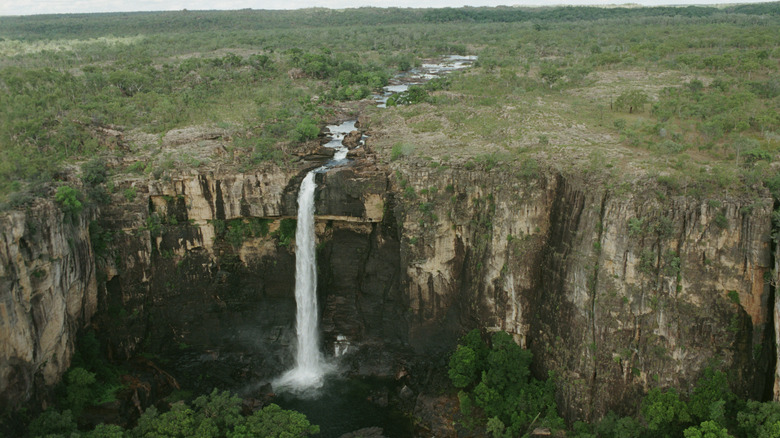
Australia is known for a myriad of natural wonders, amazing landscapes, a diverse array of unique creatures, and remote geographic regions. Visitors to the world's smallest continent can choose from an astonishing array of outdoor experiences. It is little wonder it is high on the list of wildlife getaway adventures for many nature enthusiasts. However, one of the best wildlife experiences in Australia is not for the faint of heart.
Kakadu National Park, located on the northern end of Northern Territory encompasses all that nature lovers find so enchanting about Australia. It is rugged, remote, and diverse. It features a variety of different types of ecosystems and a dizzying array of plants and animals. It also features ancient rock art, some of which have decorated the cave and canyon walls for millennia, and has been named a UNESCO World Heritage Site. Seasonally, the park offers guided activities such as boating, birding, walking, and cultural tours. Hiking, fishing, boating, and nature watching are just some of the available activities visitors can partake of on their own. However, those who consider themselves DIY-types need to take steps to stay safe on these outdoor adventures.
Kakadu National Park is an extreme environment
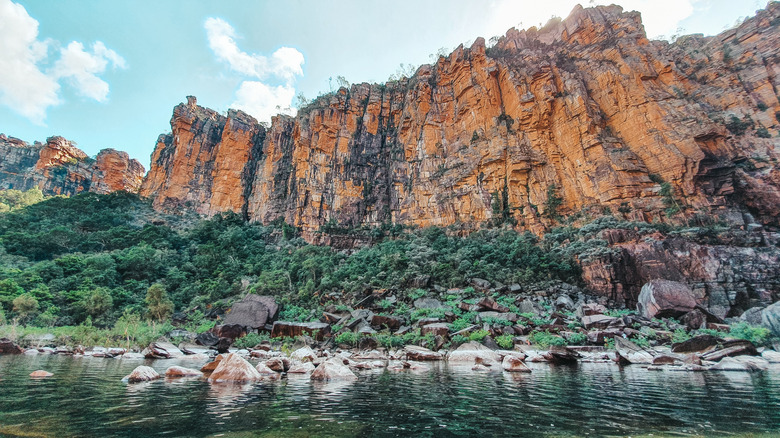
Like many areas of Australia, Kakadu National Park is in an extreme environment. Daytime temperatures in the park can routinely exceed 100 degrees in the summer, making hiking, walking, and other outdoor activities dangerous during the heat of the day. Those visiting the park are encouraged to be well supplied with water, as well as other essential emergency hiking supplies before setting off on foot in the park. You should also dress for sun protection with wide-brim hats, breathable long-sleeve clothing, and good hiking shoes. All adventurers should be able to recognize the signs of heat stroke and heat exhaustion, as heat-related illness is not uncommon in the park.
Kakadu is home to miles of rivers and streams, lakes, and coastal estuaries. While taking a dip in these waters may sound like an inviting way to escape the heat, doing so can be dangerous. Beyond the animals which live in the park's waterways, the rivers and streams often have dangerous currents and submerged structures such as trees that can entangle swimmers. They are also prone to flash flooding when it rains. Additionally, some of these waters are extremely cold. The contrast of temperatures between the air and water has led to cases of shock when overheated individuals took a plunge into the chilly waters.
Other physical features which can present potential hazards within the park include steep cliffs and ledges. It is important to wear good hiking shoes, stay a safe distance from the edge, and be sure of your footing before moving ahead. Visitors should also be cautious when driving along the park's roads, as rain can cause the roads to become slick and possibly flood. When they are dry, the amount of dust rising up can make it tough to see hazards and animals.
Dangerous wildlife abounds in Kakadu National Park
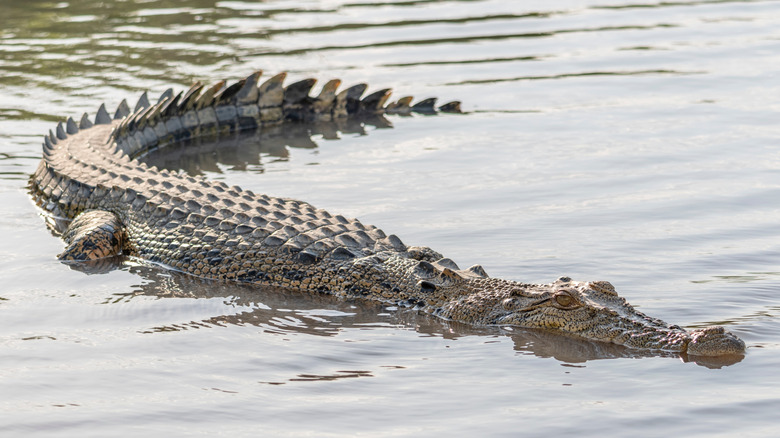
Although the diverse array of wildlife is a big part of what draws nature-lovers to Kakadu National Park, those same animals present some of the park's biggest dangers. Topping the list are crocodiles, which can be found through the park's maze of waterways. Kakadu is home to both fresh and saltwater varieties of crocodiles. The combined population of the two species calling Kakadu home is estimated to be 10,000 animals. This is the primary reason visitors are warned not only against swimming in the park's waterways, but also staying away from the water's edge, where crocs often wait to ambush prey.
Kakadu National Park is also home to some of the world's deadliest types of snakes, including the taipan and death adder. Typically, these venomous vipers stay well-hidden, particularly during the heat of the day. However, they are often out hunting during the cooler evening and overnight hours. As a result, it is advisable to not hike once the sun goes down. If you do need to move about during the night, be sure to utilize a powerful flashlight to light the way and stick to well-worn trails.
In addition to hazardous reptiles, there are some large mammals that reside in the park and have the potential to pose problems. Among the more notable are wild hogs and buffaloes. Should you encounter either of these massive mammals, it is advisable to stay a safe distance away. It is also important to keep an eye out for these creatures while driving through the park.