

Our Top Tips For Successfully Planting Ground Cover In Your Yard
We may receive a commission on purchases made from links.
Maybe you're struggling to grow grass in shady areas or want to create a no-mow yard. Whatever your motivation, if you're ready to plant ground cover in your outdoor space, there are steps you should take to ensure those new plants survive and thrive. While part of the appeal to ground cover plants is minimal maintenance, a bit of work is required on the front end. Assessing and preparing the site, picking the right plants, and planting with care will up your odds for success.
Before you start plugging plants in the ground, you should do a bit of planning. Assess the site — whether the full yard or a small bed. Beyond just determining the overall size and dimensions of the area, look at the qualities such as the type of soil and its pH. You should also determine how well the area drains and how much sun and shade it gets throughout the day.
Once you determine a list of plants that will thrive in your outdoor area, you need to decide which specific types of plants you want and how many you'll need. Much of this is about how you want the space to look. Clumping plants tend to grow larger over time but do not completely cover the ground. Carpeting plants will quickly spread for complete coverage. Of course, there are a variety of plants within each of those categories. Now map out how many plants you will need. For carpeting plants, a good rule is to plant them 1 foot apart. For clumpers, you need to research the mature size of each plant, which will dictate the distance from other plants.
Prepare the site and plant with care
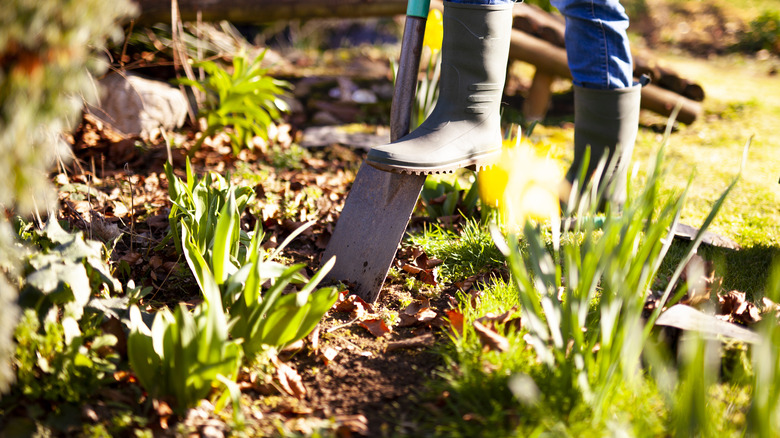
The first step to preparing the area is to clear away any debris or weeds. There are three options for weed removal: digging out, smothering, or using herbicides such as Roundup Weed Killer. While digging yields the most immediate results, it also involves the most work. Smothering weeds by covering them doesn't require chemicals, but can take several days to work. Herbicides typically succeed within a couple of days but introduce chemicals to your yard.
Regardless of your chosen method, the next step is to loosen the soil and turn in a layer of compost or enriched soil. A spading fork or similar handheld device should be adequate for smaller spaces. However, if you're planting a large tract, you'll be better off using a tiller. If you found any soil deficiencies during your initial site assessment, you should add the necessary nutrients while turning in the compost.
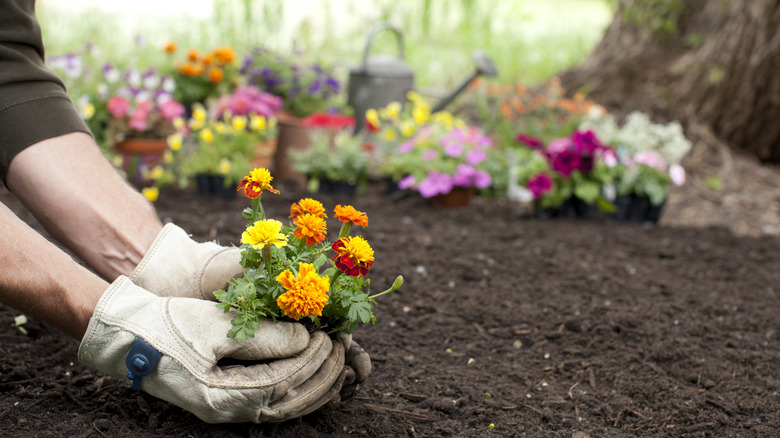
Once you're ready to start planting, mark out the area where each plant will be and place a marker stick there. Then, dig the appropriate size hole for each plant based on the size of the root ball. Loosen and unfurl the roots before placing the plant in the hole. This allows the roots to spread and form a solid base. Once the plants are placed, make sure the area looks how you want it to — should any plants need to be moved, now is the time to do it. Finally, cover the area with a couple of inches of mulch. The purpose of mulch is to help the plants retain water and warmth while preventing the growth of new weeds.