

Why You Should Start Adding Mulch To Newly Planted Plants
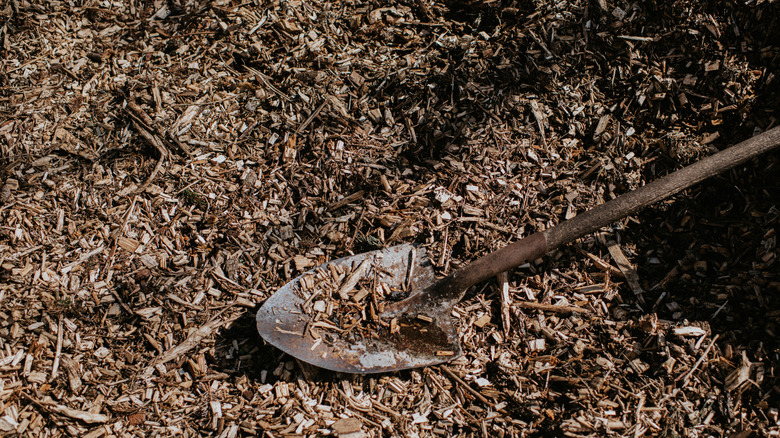
Some people view mulch as a finishing touch, but for newly planted greenery, it is a frontline defense. So, why is mulch so important for young plants? Their roots are stressed immediately after planting, and the soil surrounding them can dry out in an instant. A fresh application of mulch locks in soil moisture, so roots don't dry out before they've had a chance to establish themselves. Without that protective buffer, a few warm and windy days can set a new plant back or kill it outright.
Temperature fluctuations are also risky. Soil that's warmed up by direct sun during the day and cools rapidly at night is stressful. Mulch acts like insulation – reducing those fluctuations and stabilizing the conditions underground, where growth is just beginning. It keeps root zones cooler in the summer and warmer in early spring, when plants have longer to become established. Mulch also keeps weed seeds in the dark, which hinders competition. Young plants don't have the energy reserves to compete for water and nutrients. With mulch, there are fewer germinated weeds, and developing roots don't have to struggle to survive. A mulch depth of two to four inches should work perfectly. Organic forms of mulch, like leaf mold or shredded bark, also promote early microbial activity, which builds a healthier root zone.
As mulch breaks down, it slowly improves soil texture and structure without interfering with roots. Instead of spending energy competing with its environment, a new flower or shrub can focus its energy on growing.
With mulch, plants start winning battles you never see
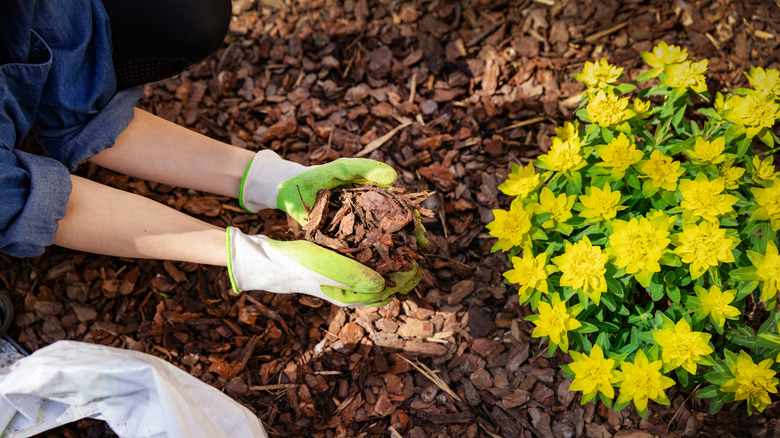
When you watch a new plant establish healthy growth, the mulch you put in weeks ago has already set the stage for longer-term success. Under cover, conditions are shifting in your favor. Beneficial organisms, such as earthworms, adore beds mulched. They improve soil oxygenation, aid in nutrient cycling, and create tiny channels that new roots can follow with ease. That means faster root development and reduced transplant stress in real terms.
Insects and pests also present a challenge to new planting. Bare soil can attract invaders. Mulch creates a barrier that reduces pest access to root zones and keeps leaves from being too close to potentially infected soil. This reduces the chance of disease transmission early on when plants are most susceptible. Some natural mulches, like cedar, even emit chemicals that repel certain pests altogether. Mulch prevents surface runoff and buffers raindrop impact, keeping the planting area stable. Mulch also reduces soil crusting, allowing water to penetrate more easily and encouraging root growth to deeper levels. That extra depth helps the plants withstand drought even after just a few months in the ground.
When mulch breaks down, it slowly contributes organic material to the ground — enhancing drainage in clays and increasing water-holding capacity in sands. It's that gradual, minimal-effort long-term conditioning that spares you from future amending. How often you need to refresh mulch depends on the type you use, but when you get into a routine, it can be a game changer for your garden.