

A Dead Tree Branch May Be The Key To Attracting More Hummingbirds To Your Yard
We may receive a commission on purchases made from links.
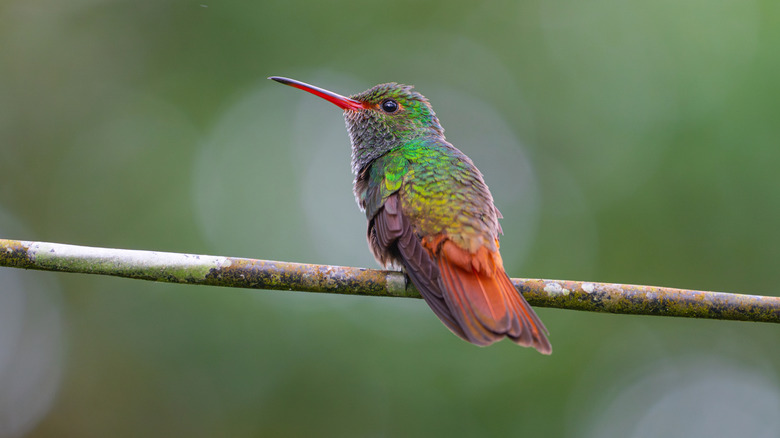
Backyard bird enthusiasts are constantly searching for ways to attract more hummingbirds to their yards. Adding water features to keep hummingbirds hydrated, as well as cultivating flowering plants such as scarlet sage and putting out hummingbird feeders can all help attract these fast fliers. However, if you are looking to create a complete hummingbird habitat, a dead tree branch may be the key to attracting more of these tiny birds to your yard.
While adding color to your yard can attract hummingbirds and they certainly need food and water as well, they also need rest. This should come as no surprise to anyone who has witnessed their frenetic flight, buzzing around between feeders, flowers, and plants. But if you don't have an adequate place for hummingbirds to rest, they likely won't stick around your yard very long.
If your yard is filled with trees, there may not be much of a need to provide an additional perch. That said, if there isn't a convenient spot for them to rest, you can provide one by placing a dead branch near your feeder or garden. To ensure the branch is high enough for them to utilize, sink one end of a large, dead branch into the ground or, if you want to be able to easily move it, into a large planter pot. This will anchor the branch. You can also lean it against your backyard fence. The best limbs for this purpose will have a multitude of leafless branches for hummingbirds to perch upon.
How dead tree branches help hummingbirds
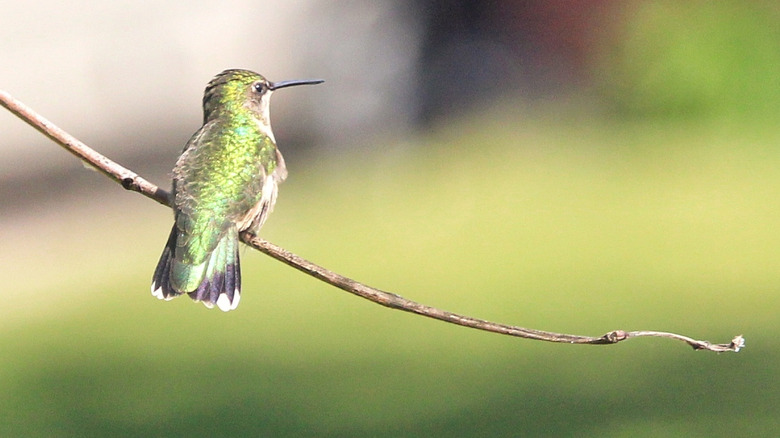
For hummingbirds, all that fast flying burns lots of calories. So, they need a place where they can take a bit of a respite to conserve energy. However, despite being fast and nimble in the air, hummingbirds aren't very efficient at movements on the ground, so they need an elevated perch so they can minimize safety risks while resting. These short-term resting spots, unlike areas where they'll hunker down for the night, should be fairly open in order to afford them an unobstructed view so as to spot potential predators well in advance.
Placement of such perches is also key. After hummingbirds fill up on nectar and/or insects, they need to stop flying for a bit so they can digest their meal. So, it's important for them to have a perch that's relatively close to their food source, be it a feeder or garden. Ideally, it should be within 20 feet or so of a feeder. This will allow hummers quick access to a rest stop after feeding. If you aren't able to find a suitable dead limb to utilize for this purpose, you can also hang a Winemana hummingbird swing or similar product from a shepherds hook. You can also hang hummingbird swings from limbs that may be covered in too much foliage for birds to perch on otherwise.