

Avoid These Common Mistakes When Using Gravel In Your Landscaping
We may receive a commission on purchases made from links.
Gravel is a versatile landscaping tool that you can use as a grass alternative for a no-mow lawn or as a mulch for your rose garden. Though gravel can decrease your yard's upkeep, you'll still need to devote some time to preparation and maintenance. Choosing the wrong type of gravel or placing it in a spot with subpar drainage can create more work, costing you time and money. A little knowledge goes a long way in preventing these problems.
When planning a project that involves gravel, make sure your goals are realistic. Gravel is a smart choice when you need a material that can handle trampling and resist weather damage. It can also deter insects that might bother your plants. Some gravel types are relatively inexpensive, but you'll need to budget for replacing your gravel every so often. You should also devote a little time and money to weed control.
If you plan to use gravel to promote water drainage, make sure you understand how this process works. For starters, your gravel must be placed at the proper depth and monitored for problems that can cause water to pool. You should also assess how well water drains in the area you plan to use gravel. If the site is sloped or its soil has high clay content, consulting an expert is wise. A civil engineer or landscape designer should be able to help. You can also set yourself up for success by learning about different gravel varieties.
Mistaking crushed rock for gravel
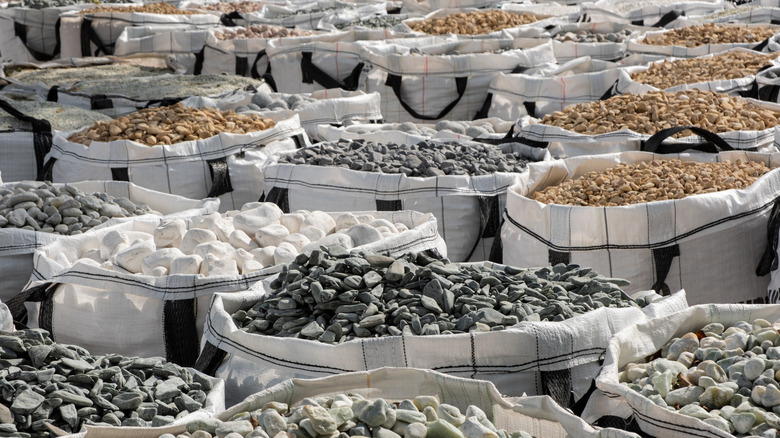
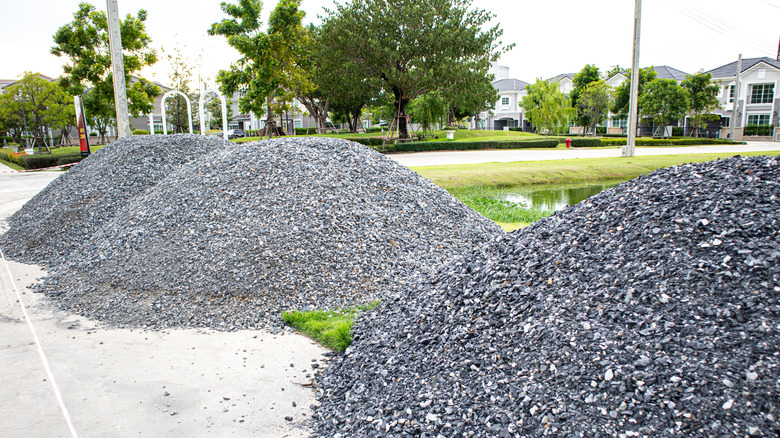
When shopping for stones, make sure you know the difference between gravel and crushed rock. Pieces of gravel have rounded edges, whereas pieces of crushed rock have sharp edges. Gravel is what you want when landscaping your yard. That's because crushed rock packs together so tightly that water may struggle to move through it. The spaces between the stones in a gravel pile allow water to drain, but they also give weeds places to grow. To keep your gravel weed-free, install landscape fabric beneath it. Be sure to budget for this expense, which can add up if you need to cover a large surface area. Laveve heavy-duty weed barrier landscape fabric is one highly rated option and comes in several sizes.
There are also some other clues that can help you distinguish between different types of gravel. As the name implies, pea gravel pebbles are tiny, with a diameter between ⅛ inch and ⅜ inch. Though these pebbles are different colors, most come in shades of brown or beige. River rock gravel is substantially larger and comes in colors like white, gray, and blue. Most of these stones are a few inches in diameter. Lava rocks are typically a couple of inches wide and contain distinctive air bubbles. Because lava rocks are porous, they're not as heavy as some other types of gravel. Small pieces of marble and granite with machine-smoothed edges may also be used as gravel.
Choosing the wrong gravel for your project
It's easy to buy the wrong gravel for your project if you choose based on looks alone. Gravel is a cost-effective material for constructing a patio (an update that can add serious value to your home) and you can install it yourself to save more money. Not every type of gravel is a good fit for this project, though. Pea gravel is affordable and simple to spread with standard garden tools such as a shovel and a wheelbarrow. Granite gravel is also sturdy and affordable. Avoid lava rock if your patio is entirely made of gravel. Since these stones are porous, they break apart easily.
If you're building a patio that pairs gravel with stepping stones, lava rock is a fine choice. It's available in a range of reds, which can add some color to your landscape. Plus, lava rock deters mold and snakes. Don't use lava rock near grass-covered areas that you mow, however. In addition to damaging your lawnmower, shards may shoot out of the blades and cause injury.
When creating a gravel path for your yard, you should select medium-sized stones that don't shift easily. Make sure they feel comfortable beneath your feet, too. Consider river rocks, which are exceptionally smooth and ideal for areas where water drainage is a concern. Crushed, smoothed granite and marble chips are also solid choices. Pea gravel is fine for walkways, but it may require raking since it's more likely to move around. Lava rock is suitable as well, but it's most popular as a mulch for flowers and shrubs.